Last Updated on February 14, 2026
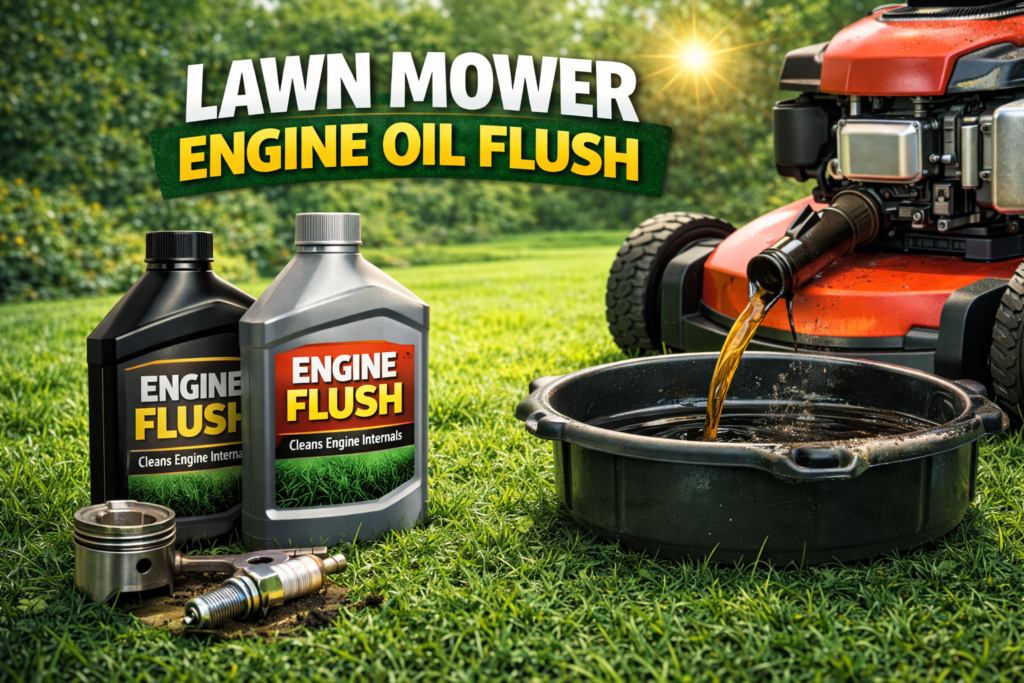
A lawn mower engine oil flush is a maintenance process designed to clean out sludge, dirt, and built-up contaminants from inside the engine before adding fresh oil. Over time, old oil can leave deposits that reduce lubrication efficiency and cause the engine to run hotter or wear faster. Performing an oil flush helps restore smoother operation, improve engine performance and extend the overall life of your lawn mower.
In this guide, we’ll explain when a lawn mower engine oil flush is necessary, how it works, the benefits it provides and how to safely perform the process step by step. Whether you maintain your mower regularly or are fixing performance issues, this information will help keep your engine running clean and reliable.
Our Top Picks
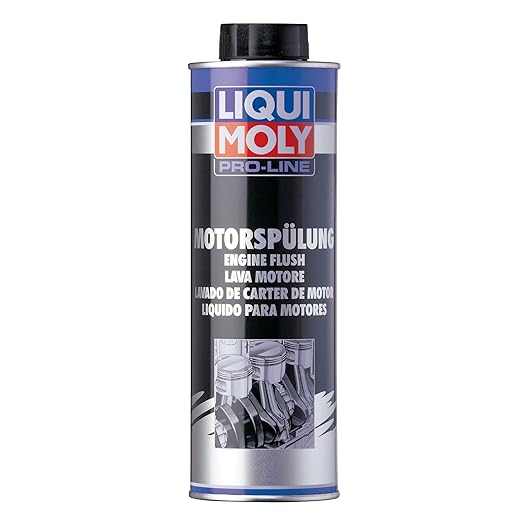



LIQUI MOLY Pro-Line Engine Flush 500ml
You can expect a concentrated, professional-grade flush that dissolves lacquer and sludge to restore oil flow and reduce noise. It works with petrol and diesel engines and is designed for occasional, effective cleaning rather than every-change use.
Overview
You get a professional-grade engine flush intended to dissolve internal deposits and restore proper oil circulation before an oil change. The formula is concentrated a single 500 ml can treats up to 5 litres of oil so it is well suited when you need a stronger treatment for an engine that shows signs of sludge, higher oil consumption, or noisy operation.
Key benefits and features
You will typically add the product to the warm, existing oil, run the engine at idle for the specified time, then drain oil and replace the filter. Users commonly report darker drained oil and a noticeable reduction in top-end tapping and turbo whine after the treatment. That means the flush is mobilising deposits that would otherwise recontaminate new oil.
Practical insight and limitations
LIQUI MOLY Oil Sludge Flush 300ml Intensive
You can use this intensive sludge flush in a treatment cycle that includes long-distance running to circulate the detergent throughout the engine. It’s especially effective on neglected engines when used as part of a staged cleaning approach.
Deep-clean sludge methodology
This oil sludge flush is designed for a more thorough, detergent-led clean that demands circulation over time rather than a short idle. Many users combine this product with a short pre-drain flush to achieve a two-stage cleaning: long-circulation detergent followed by an aggressive short-flush prior to draining.
How it benefits you
Practical workflow many experienced users follow: add the product to the old oil and drive gently for the manufacturer-recommended distance (users commonly reference a few hundred miles), then perform a second, short-duration engine flush just before the oil change and finally drain and replace oil and filter. This staged approach often produces much darker drained oil and measurable improvement in running and fuel economy on badly contaminated engines.
Warnings and practical advice
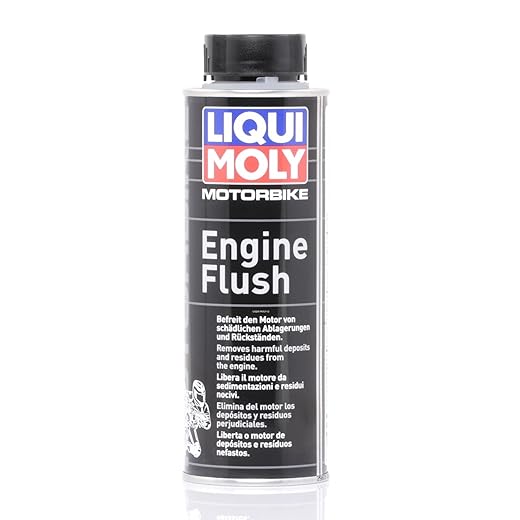
Liqui Moly Motorbike Engine Flush 250ml
You’ll find a motorcycle-specific formula that’s safe for oil‑fed clutch assemblies and tuned for four‑stroke bike engines. It’s sized and dosed for the typical oil volumes found in motorcycles and smaller displacement engines.
Motorcycle-focused formulation
This engine flush is tailored for four-stroke motorcycles and oil-fed clutch systems. Because many motorcycle engines use a shared oil and clutch bath, the formulation places emphasis on safe detergency without compromising clutch friction or causing slippage.
Key benefits
How to use: warm up the engine, add the flush to the existing oil, run for the recommended period while following any clutch manipulation steps the manufacturer suggests, then drain oil and replace filter. Riders report improved smoothness and easier gear shifts after a properly executed treatment.
Practical advice
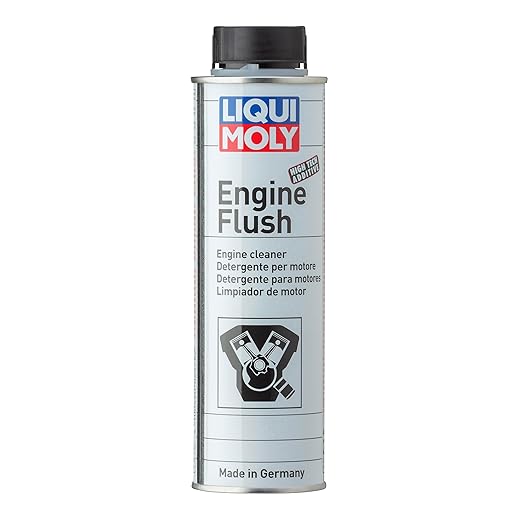
LIQUI MOLY Engine Flush 300ml Treatment
You get a smaller, effective oil-circuit cleaner that targets lacquer and residues before an oil change. It’s a practical option when you want a reliable, lower-volume treatment for lighter contamination or smaller oil sums.
Summary
This 300 ml liquid flush is a concentrated cleaner designed to free lacquer and oil residues from the oil circuit before you drain and replace oil. The smaller can makes it convenient for compact engines, single-cylinder bikes, or as a cost-conscious option when you do not need a large treatment dose.
What it does
You should use it on a warm engine and follow the label instructions for run time. Many users report immediate reduction in tapping noises and cleaner drained oil after use — a sign that interior deposits were mobilised.
Practical considerations
KENT Engine Flush 250ml Solvent-Free Cleaner
You benefit from a solvent-free formula with sludge dispersants and anti-wear additives that protect components while cleaning. It’s a conservative choice when you want to avoid harsh solvents but still clear carbon and sludge.
Solvent‑free cleaning for cautious maintenance
KENT’s Engine Flush is formulated to remove sludge and carbon without using aggressive solvents that can sometimes shock seals or delicate components. This approach aims to disperse contaminants and protect lubrication properties during the cleaning interval, making it attractive for older motors or people who prefer gentler chemistry.
What it offers
Application is straightforward: warm the engine, add the specified dose to the old oil, run at idle for the recommended time and then perform an oil and filter change. Users testing the product report smoother operation after a few drives, though the effects may be subtle compared with more aggressive solvent-based flushes.
Practical notes and limits
Wynn's Engine Oil Flush 425ml Concentrate
You can expect a detergent-based formula that cleans sludge, varnish, and contaminants and neutralises acids. It’s compatible with mineral and synthetic oils and works across engines and hydraulic systems.
Why choose this flush
You get a universally compatible, detergent-based engine flush that is designed to dissolve and remove sludge, varnish and other oil-born contaminants prior to an oil change. Because it works with all oil types and low-SAPS formulations, you can use it with modern emission-compliant oils without compatibility concerns.
Features and benefits
In practice you add the product to your warm oil, run the engine for the advised time, then drain and replace filter and oil. Users frequently note smoother idling and darker drained oil after the flush, indicating mobilised deposits. The product is particularly useful when you want a versatile cleaner that covers multiple vehicle systems.
Limitations and usage tips
STP Engine Flush 450ml Petrol & Diesel
You get a budget-friendly flush that removes sludge and neutralises acids while offering temporary protection during cleaning. It’s a pragmatic choice if you want proven basics without premium pricing.
Practical and economical
This STP flush aims to combine cleaning action with protective additives so the engine remains protected while deposits are being mobilised. The relatively large 450 ml volume makes it appropriate for petrol and diesel engines with moderate oil capacities, and the formulation includes neutralisers that reduce acid-related wear during the cleaning cycle.
Performance and application
You will find it simple to use: add to the warm oil, run the engine as instructed, drain and replace oil and filter. Owners commonly report smoother running and reduced leakage symptoms after treatment. For heavily neglected engines you may need repeated treatments or a two-stage approach with a more aggressive product.
Considerations
FAQ
Often yes — but always check the label. Several products on the list (for example LIQUI MOLY Pro‑Line and STP) state petrol compatibility. That said, concentrations and recommended dosages vary. Prefer smaller, mower‑sized treatments (like the LIQUI MOLY 300ml Treatment) or explicitly petrol‑compatible formulas to avoid overdosing a small oil sump.
Don’t flush at every oil change. For most healthy mowers, flush only when you see symptoms (black, gritty oil; sluggish performance; excessive smoke) or every few years for preventative care. Overuse can be unnecessary and may stress old seals. Use a flush as a targeted maintenance step, not a routine at every change.
Some solvent‑heavy formulas can soften or swell fragile seals. If your mower is older or has rubber/plastic components you’re worried about, choose a solvent‑free cleaner (KENT) or milder, smaller‑dose products. Always follow the product instructions and avoid exceeding recommended contact time.
Yes — you must run the engine to circulate the cleaner. Typical practice is to warm the engine then run at normal idle/load for about 10–15 minutes (follow the label for the exact product). After running, shut down, drain the oil while warm, and replace the oil/filter as instructed.
Most modern flushes (including Wynn’s and many LIQUI MOLY products) are compatible with mineral and synthetic oils. After flushing and fully draining, you can refill with synthetic oil. Confirm compatibility on the product label and ensure you’ve removed the flush residue by draining thoroughly.
- Warm the engine for a few minutes so the oil flows. 2) Add the flush at the recommended dose. 3) Run the mower at normal idle/operating speed for 10–15 minutes to circulate. 4) Turn off, drain the oil while warm and drain the pan fully. 5) Replace the oil filter if applicable, then refill with fresh oil. 6) Dispose of waste oil/used product responsibly. Always consult the product label and your mower manual before starting.
Final Thoughts
For most lawn mowers and small petrol engines you keep in regular use, LIQUI MOLY Engine Flush 300ml Treatment is the best single option. It’s sized and dosed for smaller oil sums, targets lacquer and residues effectively, and is ideal as a pre‑oil‑change step when your mower runs a bit rough or the oil looks dark. Use it on routine maintenance cycles to restore oil flow without overdoing the chemistry.
If you own an older mower, one with soft seals, or you’re worried about harsh solvents, pick the KENT Engine Flush 250ml Solvent‑Free Cleaner. Its solvent‑free formulation disperses sludge while limiting risk to gaskets and delicate components. Choose KENT when you want a conservative, low‑risk clean before an oil change.