Last Updated on March 1, 2026
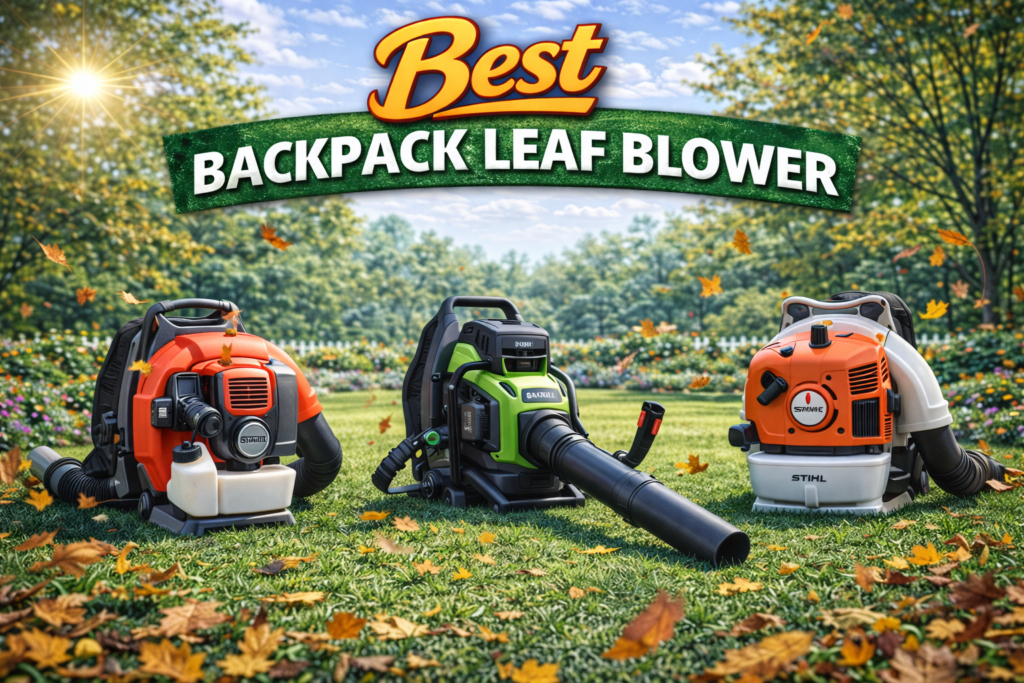
Do you desire the best backpack leaf blower? We’ve got your back. Getting rid of fallen leaves in your garden can be an arduous task, especially if you don’t have the right tools. The use of rake for clearing the debris makes the task more demanding, and it wastes time.
That is why you need a backpack leaf blower to carry out the task effectively and quickly. However, getting the best leaf blower backpack in the UK requires proper planning as well as getting the right information. That is why we created this guide so that you won’t have issues selecting a machine that will meet your expectations.
Top Picks
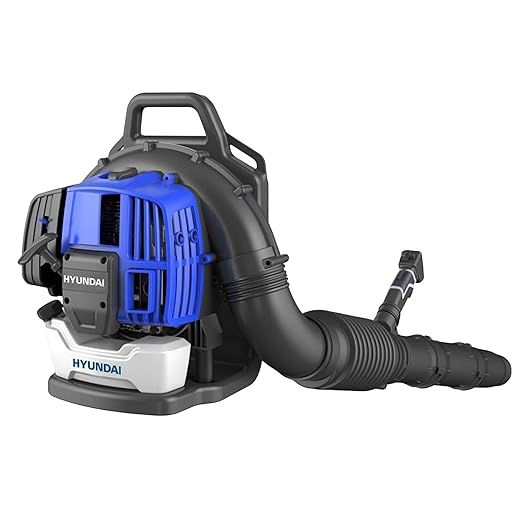


Hyundai 52cc Petrol Backpack Blower
You get a high-output petrol blower with a well-balanced backpack and useful variable-speed control, suitable for medium to large gardens. It is powerful enough to shift wet leaves and heavy debris, though expect above-average noise and the usual 2‑stroke maintenance needs.
Overview
You’re looking at a petrol backpack unit built around a 52cc 2‑stroke engine that aims to balance raw blowing power with wearable comfort. The design focuses on medium-to-large properties, sports areas and driveways where corded or battery systems struggle to move heavy, wet debris. The unit’s variable-speed control and lockable throttle let you tailor output for delicate or heavy tasks.
Key features and what they mean for you
These features translate into practical benefits: you can clear dense piles or wet leaves that defeat most electric models, wear the blower for extended periods, and use partial throttle to save fuel and reduce disturbance in residential areas.
Benefits, limitations and practical tips
Practical tip: If you plan on multi‑hour commercial use, budget for periodic maintenance and consider carrying spare spark plugs and a small tool kit. For typical domestic clearance, you’ll appreciate the power-to-price ratio, but treat it as a working petrol tool that needs routine care.
eSkde 43cc Backpack Blower Turbo Nozzle
This 43cc backpack unit balances weight, ease-of-start and useful features like cruise control and a turbo nozzle to give you good everyday performance. It’s an attractive cost-effective option, though you should watch for build-quality details such as the fuel cap and fittings.
Overview
This model targets homeowners and semi‑professional users who want a straightforward petrol backpack blower without paying for a premium brand. The 43cc 2‑stroke engine, turbo nozzle and cruise control make it especially useful for regular garden maintenance where you need mobility and steady airflow.
Notable features and user impact
Those features make the unit especially user‑friendly: easy starting, sensible ergonomics and the ability to maintain a steady speed without continuous throttle pressure. Owners report very good clearing performance for patios, driveways and car parks when used responsibly.
Limitations and practical tips
Tip: Use the cruise control for repetitive sweeping tasks and carry a pre-mixed fuel container at the correct ratio to avoid mixing errors. Keep a small spare seal or aftermarket cap on hand if you depend on this unit daily.
Ultra-Powerful 75cc 240MPH Backpack Blower
This blower targets speed and throughput — a 75cc unit producing very high wind speeds that clear large volumes quickly. It’s an excellent choice if you prioritise raw blowing capacity, but expect higher fuel use and be mindful of occasional quality control reports.
Overview
You’ll notice this unit for its headline numbers: a large 75cc engine, very high RPM and a quoted maximum wind speed that sits well above most consumer backpack blowers. It’s aimed at users who need to move a lot of material fast — large drives, commercial grounds or properties with heavy, wet leaf loads.
Key features and performance notes
In real use, this means short jobs become much faster: soaked leaves, moss and debris that would take a long time with an electric blower will clear quickly. However, higher fuel consumption and heat/smoke from a large 2‑stroke engine are trade-offs.
Practical considerations
Tip: Use the variable throttle and cruise control to avoid hand fatigue and to reduce fuel usage during lighter tasks; reserve full throttle only for dense wet piles.
BU-KO 52cc Lightweight Backpack Blower
This compact 52cc blower is a practical domestic option if you want a lightweight backpack with respectable blowing force. It’s well suited to homeowners but shows some durability and instruction gaps that limit heavy commercial use.
Overview
This model is pitched at gardeners who want a compact, easy-to-carry petrol solution to remove leaves and debris without the weight or cost of professional units. The 52cc 2‑stroke engine provides a strong gust for domestic and occasional light commercial tasks.
What you get and how it behaves
You’ll find it effective on driveways, patios and lawns where wet or matted leaves require more force than an electric model can deliver. For the price point it delivers meaningful performance, but you should accept some plastic‑component fragility.
Limitations and user advice
Tip: Keep the carburettor and fuel lines clean and store the blower with fuel drained for long periods to reduce carb issues. Replacement parts availability varies, so retain seller contact info.
42.7cc Backpack Blower 900 m3/h
The unit delivers a very large airflow volume and suits sizable grounds where you need sweep throughput rather than portability. The main trade-offs are its weight and limited aftersales clarity — expect to handle spares and servicing yourself over the long term.
Overview
This blower emphasises airflow volume (900 m³/h) rather than compactness. It’s aimed at users who need to shift large quantities of material across lawns, car parks or extensive garden areas and who prioritise throughput over lightness.
Key attributes and trade-offs
The combination of high airflow and a sizeable fuel/machine footprint means you can clear large areas faster than with small electric alternatives, but you’ll feel the weight during prolonged sessions. Several users praised the raw power, while others noted challenges with assembly and tracking down spare parts.
Practical advice
Tip: Because documentation can be sparse, photograph serial numbers and part interfaces on receipt to ease future spares requests or service queries.
How to pick, use and maintain a backpack blower
When comparing these models, focus on three measurable trade-offs: blowing capacity (airflow and MPH), engine size/efficiency (cc and fuel consumption) and ergonomics (weight distribution, straps, and controls). A quick mental checklist:
Quick comparison (at-a-glance)
| Model | Typical Strength | Expert Rating |
|---|---|---|
| Hyundai 52cc Petrol Backpack Blower | Powerful, comfortable, variable-speed — best for medium–large gardens | 8.3/10 |
| eSkde 43cc Backpack Blower Turbo Nozzle | Easy start, cruise control, good value | 8.1/10 |
| Ultra‑Powerful 75cc 240MPH | Maximum wind speed and throughput for very large areas | 8.0/10 |
| BU-KO 52cc Lightweight | Lightweight with usable power — good domestic option | 7.8/10 |
| 42.7cc Backpack Blower 900 m3/h | High airflow for big jobs — heavier and less refined | 7.5/10 |
Practical starting and operating tips
Maintenance and fuel guidance
Safety and legal considerations in the UK
Choosing the right backpack blower means weighing speed against comfort and ongoing running costs. For most homeowners you’ll balance power and wearability; for estate managers or contractors throughput and absolute wind speed matter more. Use the checklist above, start conservatively, and maintain the unit regularly — you’ll get cleaner lawns with less hassle and longer tool life.
FAQs
Petrol backpack blowers are typically noisy. Expect high sound levels compared with electric leaf blowers, especially at full throttle. Use them during reasonable daytime hours, and wear hearing protection. If noise is a major concern, consider scheduling work for weekday daytime or choosing lower speed settings where possible.
Not always. Engine size (cc) gives raw potential, but usable performance depends on airflow (m3/h), nozzle design and ergonomics. Larger cc models like the 75cc deliver higher wind speeds and throughput for big jobs, but they burn more fuel and are heavier. For most UK gardens, a 43–52cc unit balances power and usability.
Yes—higher-powered models (Hyundai 52cc, Ultra‑Powerful 75cc) handle wet, compacted leaves and heavier debris better than smaller units. Use lower gears or pulse control to avoid stall and keep a steady sweeping motion. Expect slower clearing and greater fuel use with wet material.
Basic maintenance keeps a petrol blower reliable: check/clean the air filter frequently; replace spark plugs annually or per hours-of-use; inspect fuel lines and fittings; drain fuel for long storage. Follow the manufacturer's service schedule and use the recommended fuel/oil mix (many units use 40:1 or 50:1—check the manual).
Yes, provided you use PPE and safe techniques: eye protection, hearing protection, gloves and sturdy footwear. Keep bystanders and pets well back. Be mindful of loose gravel, small stones and fragile garden plants. Use controlled sweeps rather than blasting at full throttle near edges.
Check availability of spare parts (fuel caps, nozzles, straps), a clear warranty and accessible service centres. Some budget units offer good value but weaker aftersales. If you plan heavy or commercial use, prioritise models with established support networks.
Final Thoughts
Best overall for most UK homes: Hyundai 52cc Petrol Backpack Blower — choose this if you manage a medium to large garden and want strong, consistent power with a comfortable backpack fit and useful variable-speed control. It shifts wet leaves and heavy debris without you having to work twice as hard.
Best value and everyday ease: eSkde 43cc Backpack Blower Turbo Nozzle — pick this if you prioritise easy starting, lighter weight and budget-friendly running costs. It’s a practical choice for regular domestic use and shorter sessions where build-perfect fit isn’t mission-critical.